
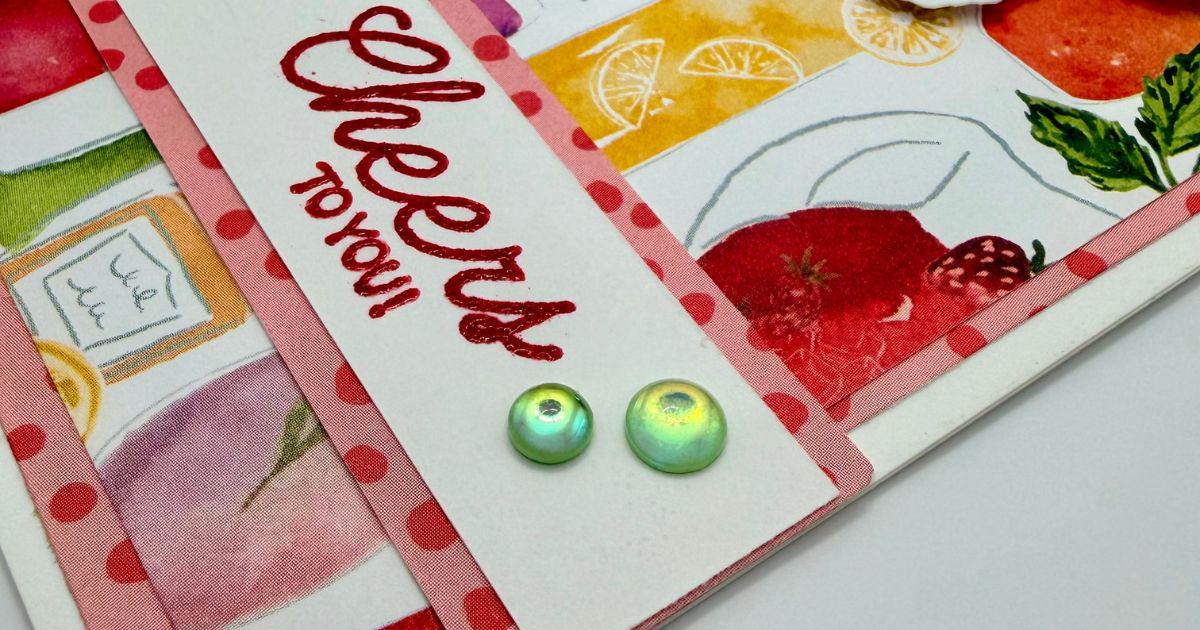
Choosing a meaningful gift can take time. You consider the recipient’s taste, remember the small details they have mentioned, compare materials or colors, and perhaps search for something they would never think to buy for themselves. The result feels personal because the process was personal.
Then comes the card. Too often, the final step involves standing beneath fluorescent lights in a crowded store, scanning rows of glossy, mass-produced designs that feel disconnected from everything you have chosen so carefully. The wording may be too sentimental, too humorous, too generic, or simply not suited to the person you have in mind.
For thoughtful gift givers, this mismatch can be surprisingly frustrating. A beautifully selected present deserves more than an afterthought. The card is not merely an accessory to the gift; it is the part that gives the occasion a voice.
That is where luxury greeting cards offer something different. Through considered design, tactile materials, skilled craftsmanship, and space for personal words, they help the entire gifting experience feel more intentional from beginning to end.
Why Mass-Produced Cards Can Feel Disappointing
There is nothing inherently wrong with a convenient card. Sometimes a simple design and a quick signature are exactly what the moment requires. But when you have invested genuine thought in a gift, a generic card can make the presentation feel unfinished. The problem is often less about price and more about emotional fit.
Mass-produced cards are designed to appeal to the broadest possible audience. Their language must be recognizable, their imagery familiar, and their sentiment easy to understand at a glance. That practicality can also make them feel impersonal.
You may find yourself settling for a card that is “close enough” rather than one that feels truly appropriate. Perhaps the message is overly effusive for a reserved friend. Perhaps the design feels too playful for an elegant anniversary gift. Perhaps the card says so much that there is little room left for your own words.
When the recipient is someone you know well, generic language can feel especially noticeable. You have chosen a gift that reflects their character, interests, or place in your life. The card should carry the same level of recognition.
A Thoughtful Card Is Part of the Gift
A well-chosen card does more than identify the sender. It creates context.It explains why you chose the gift, marks the meaning of the moment, and gives the recipient something personal to return to after the wrapping paper has been cleared away. In many cases, the card becomes the most lasting part of the exchange.
A bottle of wine is enjoyed. Flowers fade. A favorite candle eventually burns down. A handwritten card may remain tucked inside a drawer, displayed on a shelf, or placed among other keepsakes for years.
This is why special occasion cards for meaningful gifts deserve the same attention as the present itself. The card helps transform an object into a gesture. It connects what you are giving with what you hope the recipient will feel.
For a birthday, it might express admiration for the life they are creating. For a wedding, it can acknowledge the significance of the commitment rather than simply repeating a familiar congratulation. For a professional milestone, it may communicate respect and confidence in what comes next.
The gift may delight in the moment. The message gives that moment meaning.
What Makes a Greeting Card Feel Luxurious?
Luxury is not simply a matter of embellishment. A card does not need to be ornate, oversized, or covered in decoration to feel special. Often, the most refined designs are distinguished by restraint.Several details can elevate a card from ordinary to memorable.
Beautiful, Substantial Materials
The first impression of a card is often tactile. Thick paper, textured stock, softly deckled edges, fine envelopes, and carefully chosen finishes invite the recipient to slow down.A card made from substantial materials feels deliberate in the hand. It signals that the object was selected rather than added at the last moment.
Thoughtful Design
Refined card design balances visual interest with emotional clarity. The illustration, typography, color palette, and scale should work together without overwhelming the message.Some occasions call for quiet minimalism. Others suit expressive florals, hand-painted details, metallic accents, layered paper, or sculptural elements. What matters is that the design feels coherent and considered.
Visible Craftsmanship
Handcrafted details introduce a sense of human presence before the card is even opened. Slight variations in painting, cutting, printing, folding, or assembly can make each piece feel individual.
This does not mean the design should appear imperfect. Rather, it should reveal care: the sense that someone paid attention to how the paper was chosen, how the composition was balanced, and how each finishing detail was applied. Customers often notice the difference immediately. One described her card as “a piece of art,” while another praised its “great look” and how well made it felt.
That combination of visual beauty and craftsmanship is part of what separates a thoughtfully handcrafted card from something chosen simply because it happened to be on the shelf.
Space for Your Own Words
One of the most valuable features of a thoughtfully designed card is often what it leaves unsaid.
Cards with restrained interior wording—or no printed message at all—give you room to write something specific. Instead of relying on a prewritten sentiment, you can mention a shared memory, acknowledge the occasion in your own voice, or explain why you chose the gift.
The result feels more personal because it is.
Choosing Unique Cards for Thoughtful People
The best card is not necessarily the most elaborate one. It is the card that feels most aligned with the recipient.
When looking for unique cards, begin with the person rather than the occasion category. A birthday card for a design-loving sister may look entirely different from one chosen for a quietly elegant mentor, even though both are celebrating the same type of milestone. Consider a few simple questions:
- What colors, materials, or artistic styles does the recipient naturally appreciate?
- Is their personality expressive, understated, playful, traditional, or modern?
- Would they value intricate craftsmanship or a clean, minimal design?
- Is the occasion joyful, reflective, formal, intimate, or bittersweet?
- What feeling do you want the card to create before it is opened?
These questions help you move beyond broad labels such as “birthday” or “thank you.” They allow you to choose a card that reflects the individual rather than simply naming the event.
For someone who loves gardens, a painterly botanical design may feel especially fitting. For a recipient with a restrained aesthetic, a simple card with beautiful paper and subtle typography may carry more impact. For a milestone anniversary, layered details or hand-finished embellishments can echo the significance of the occasion.
The goal is not to find a card that tries to say everything. It is to find one that creates the right setting for what you want to say.
How to Match the Card to the Gift
A card and gift do not need to match literally, but they should feel as though they belong to the same thoughtful gesture.
Echo the Mood
A celebratory gift can be paired with a card that feels bright, dimensional, or expressive. A reflective gift—such as a book, framed photograph, or heirloom object—may call for something quieter and more intimate.Think in terms of atmosphere rather than exact colors or motifs.
Consider the Presentation
If the gift is wrapped in handmade paper, tied with silk ribbon, or presented in a keepsake box, a standard glossy card may feel visually out of place. Choosing a card with tactile paper or handcrafted details helps create a more cohesive presentation.The effect should feel composed, not overly coordinated.
Let the Card Explain the Choice
When a gift has a story behind it, use the card to share that story.You might write:“I remembered how much you admired this artist’s work when we visited the gallery last spring, and I hoped this would bring a little of that day into your home.”A message like this reveals the attention behind the gift. It tells the recipient that the object was chosen with them—not merely for the occasion—in mind.
What to Write When the Printed Message Feels Too Generic
Many people choose cards carefully and then feel uncertain when it is time to write inside them. The good news is that a meaningful message does not need to be long.A simple structure can help:
- Name the occasion.
- Mention something specific about the person or your relationship.
- Share a sincere wish, observation, or expression of gratitude.
- Sign off in a way that sounds natural to you.
For a birthday: “Celebrating you today and all the warmth, humor, and generosity you bring to the people around you. I hope this next year gives you plenty of time for the things that make you feel most like yourself.”
For a wedding: “It is a joy to see the life you are building together begin with so much care and happiness. Wishing you a marriage filled with steadiness, laughter, and many beautiful ordinary days.”
For a thank-you gift: “Thank you for making us feel so welcome. Your generosity was present in every detail, and we left feeling thoroughly cared for.”
For a professional milestone: “Congratulations on this well-earned achievement. Your thoughtfulness and dedication are evident in everything you do, and it is wonderful to see them recognized.”
Specificity matters more than length. One true, personal sentence will often mean more than an entire paragraph of borrowed sentiment.
Everyday Moments Deserve Beautiful Cards Too
Luxury greeting cards are not only for weddings, anniversaries, and landmark birthdays. Some of the most meaningful correspondence arrives without a major occasion attached.A handwritten card can acknowledge a difficult week, thank someone for an introduction, celebrate a small success, welcome a new neighbor, or simply let a friend know they have been on your mind.These quieter gestures often feel especially memorable because they are unexpected.Sending a beautiful card “just because” communicates attention in a way that a quick message cannot always replicate. It requires choosing, writing, addressing, and sending something physical. The process itself becomes part of the meaning.For thoughtful people, that effort is not inefficient. It is the point.
Building a Small Card Collection at Home
One reason people settle for an uninspiring card is that they need one immediately. Keeping a small, curated assortment of cards at home makes it easier to send something considered without beginning a last-minute search. A useful personal collection might include:
- A few elegant blank cards
- Birthday cards in different styles
- A refined thank-you card
- A sympathy or thinking-of-you card
- A card suitable for weddings or anniversaries
- One or two celebratory designs for professional or personal achievements
Choose cards you would be pleased to receive yourself. Look for varied designs, quality paper, and interiors that leave room for personal writing. A small correspondence drawer can become part of your gifting ritual, alongside ribbon, wrapping paper, gift tags, and a reliable pen. Rather than treating the card as the final obligation, you can approach it as one of the most enjoyable parts of preparing a gift.
The Quiet Pleasure of Giving Something Complete
A meaningful gift does not need to be extravagant. It needs to feel attentive. The same is true of a card. When the paper feels beautiful, the design reflects the recipient, and the message could only have been written by you, the entire gesture becomes more complete. The card no longer feels like packaging or protocol. It becomes part of the gift’s emotional value.For those who have grown tired of mass-produced cards that do not reflect the care behind their gifts, handcrafted designs offer a more personal alternative. They invite you to choose slowly, write sincerely, and give something that may be kept long after the occasion has passed.
There is also a quieter pleasure in choosing a card you are genuinely excited to send. Several customers have described looking forward to putting their handcrafted cards in the mail—an indication that the experience begins before the envelope ever reaches its recipient. When the card itself feels special, preparing and sending it becomes part of the gift.
To find a card that feels as thoughtfully chosen as the gift beside it, browse our curated collection of handcrafted cards created for meaningful moments, memorable people, and words worth keeping.