
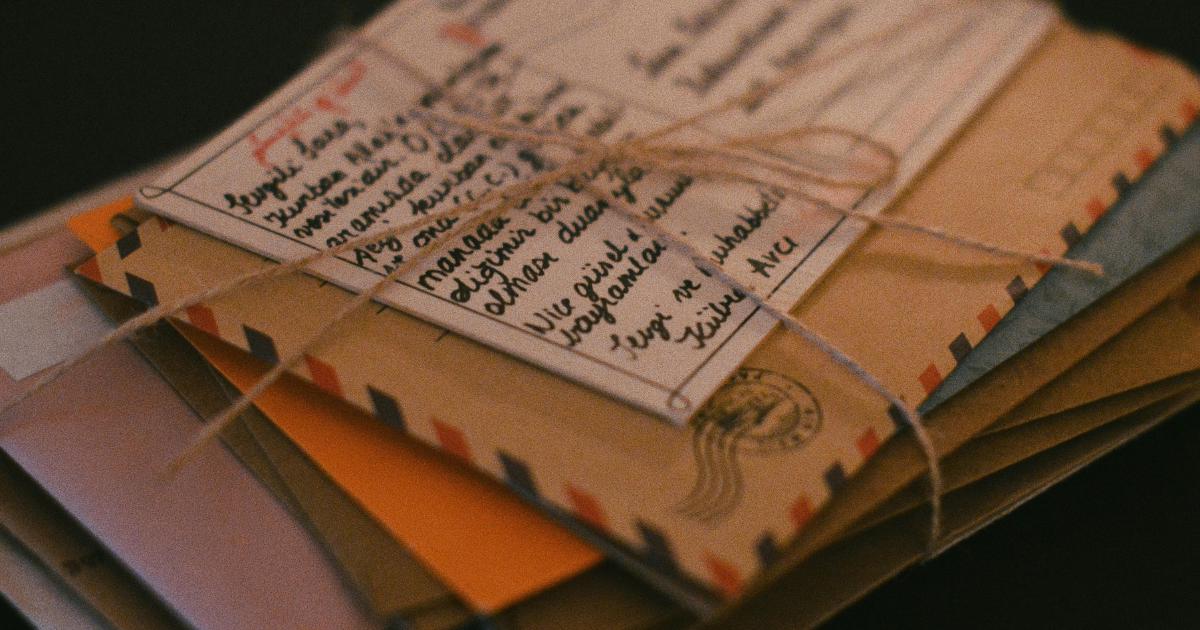
We live in an age of instant replies, automated reminders, predictive text, and messages composed before we have fully decided what we mean. Communication has never been faster. It has also rarely felt so fleeting. A birthday wish can be generated in seconds. A thank-you note can be polished by a prompt. A holiday greeting can be scheduled, personalized, and delivered without the sender ever touching paper. Convenient? Certainly. Memorable? Not always. This is why snail mail feels newly significant. Not because it is efficient, but because it is not. A handwritten card asks something of us: a few quiet minutes, a little thought, the choice of a beautiful object, and the deliberate act of sending it into another person’s hands. In an increasingly automated world, that effort carries meaning.
What Is Snail Mail?
Snail mail is the affectionate term for physical correspondence sent through the postal service, including handwritten letters, greeting cards, invitations, and notes. The phrase is usually used in contrast with email, text messages, and other forms of instant digital communication. Yet describing it as slow misses the point. Snail mail offers something speed cannot: presence. A card can be held, displayed, tucked into a drawer, slipped between the pages of a book, or rediscovered years later. Its value is not limited to the moment it arrives.
Why Snail Mail Matters More in an AI-Driven World
Artificial intelligence can help us communicate more clearly. It can suggest words, correct grammar, and help us begin when the blank page feels intimidating. What it cannot provide is the physical evidence of our attention. A handwritten note carries small, human details. The pressure of the pen changes. A sentence leans upward. A word is crossed out and replaced. The message may not be perfectly composed, but it is unmistakably personal. That distinction matters. When so much of modern communication can be copied, generated, scheduled, or forgotten, a physical card quietly says: I chose this. I wrote this. I sent this to you.
Snail Mail Creates a Pause
Digital communication encourages immediacy. We read, react, reply, and move on. Snail mail interrupts that rhythm. Choosing a card requires observation. What colors would the recipient enjoy? Would they appreciate something understated, playful, romantic, or artful? Does the design reflect the occasion, or simply the person? Writing the message introduces another pause. Instead of tapping out the first acceptable phrase, we consider what deserves to be said. The recipient experiences that pause, too. Opening an envelope is a small ritual. There is texture, anticipation, and the pleasure of discovering something made or chosen with care. This slowness is not a flaw. It is part of the gift.
A Handwritten Card Feels Different Because It Is Different
A text message exists among dozens of other notifications. A handwritten card occupies physical space. It arrives as an object rather than an alert. The paper has weight. The envelope bears a name written by hand. The card may feature letterpress details, deckled edges, painted elements, embroidery, ribbon, sculptural paperwork, or subtle variations that reveal the maker’s touch. These details transform correspondence into an experience. A thoughtfully crafted card can also become part of the gift itself. It may sit beside flowers, accompany a bottle of wine, rest on top of a wrapped parcel, or arrive on its own as a complete gesture. In each case, it tells the recipient that the presentation mattered as much as the sentiment.
Snail Mail Gives Ordinary Moments More Meaning
We often associate greeting cards with major occasions: birthdays, weddings, anniversaries, condolences, and holidays. Yet some of the most affecting pieces of snail mail arrive without ceremony.
- A note after a long conversation.
- A card sent because someone crossed your mind.
- A few lines of encouragement before an important week.
- A thank-you sent after a quiet kindness.
- A letter to a friend who has moved away.
- A message celebrating a milestone that may not appear on any calendar.
These gestures are powerful because they are not required. They turn a passing thought into something tangible.
The Difference Between a Message and a Keepsake
Most digital messages are written for the present moment. Snail mail has the potential to remain. A meaningful card can become a record of a relationship: the way a parent signed their name, the joke a friend repeated every year, the note a partner wrote before a wedding, or the words someone offered during a difficult season. The card itself helps preserve the memory. This is where craftsmanship becomes especially meaningful. Beautiful materials and considered design invite the recipient to keep the piece rather than discard it. A handcrafted greeting card may feel closer to a small work of art than disposable correspondence. Its permanence gives the words a place to live.
How to Make Snail Mail Feel Personal
Meaningful correspondence does not require a long letter or poetic language. It requires specificity. A strong message often includes three simple elements:
1. Name the reason you are writing
Begin with the occasion, moment, or thought that prompted the card. For example: “I have been thinking about our conversation last week.” “Your birthday felt like the right moment to tell you how much I value our friendship.” “I wanted to thank you properly for making us feel so welcome.”
2. Include one specific detail
Specificity makes even a short message feel intimate. You might mention: · A shared memory
- A quality you admire
- A moment of kindness
- Something you are looking forward to
- A detail from a recent visit or conversation Instead of writing, “You are a wonderful friend,” try: “You always notice when someone needs encouragement, and you offer it without making a fuss.”
3. Close with warmth
The closing does not need to be elaborate. Consider:
“With affection,” “Thinking of you,” “With heartfelt thanks,”
“Always in your corner,” “Warmly,” “With love,”
The best closing is the one that sounds natural in your relationship.
What to Write When You Do Not Know What to Say
The pressure to write something profound can make people avoid sending a card altogether. A better approach is to write as you would speak, then remove anything that feels generic. For a birthday: “Happy birthday. I hope this year brings more slow mornings, wonderful meals, and time for the things that make you feel most like yourself.” For a thank-you: “Thank you for the beautiful dinner and, even more, for the ease with which you always make people feel at home.” For encouragement: “I know this season has asked a great deal of you. I hope you remember how capable you are, even on the days when progress feels quiet.” For no particular occasion: “No special reason for this note. I simply thought of you and wanted that thought to arrive somewhere more lasting than a text.”
Choosing the Right Card for Snail Mail
The right card should feel appropriate to both the recipient and the relationship. Consider three things.
The recipient’s taste
Do they favor minimal design, expressive color, fine detail, humor, florals, typography, or traditional motifs? Choosing according to their taste makes the card feel observed rather than generic.
The emotional tone
A playful card may be perfect for one friend and unsuitable for another. A quiet, elegant design may carry more weight for a condolence, professional thank-you, or significant anniversary. Let the design support the message rather than compete with it.
The keepsake quality
For important occasions, material and craftsmanship matter. A handcrafted card with dimensional details, fine paper, or artisan finishing can signal that the moment deserved more than a hurried purchase. It also gives the recipient something beautiful enough to display or save.
Modern Snail Mail Etiquette
Snail mail does not require rigid rules, but a few principles help correspondence feel polished. Write legibly, even if your handwriting is not perfect. Use the recipient’s preferred name. Double-check the address before mailing. Match the formality of your message to the relationship. Send time-sensitive cards early enough to arrive near the occasion. For thank-you notes, sincerity matters more than length. For sympathy cards, simple and direct language is often kinder than trying to explain the loss. For professional correspondence, warmth and clarity are usually more effective than excessive familiarity. Above all, avoid letting perfection delay the gesture. A heartfelt note sent a little late is often better than a flawless one never written.
Can AI and Snail Mail Coexist?
They can, provided the technology supports the human gesture rather than replacing it. AI may help you organize your thoughts, refine an awkward sentence, or find a starting point. It may be especially useful when writing in a second language or addressing an emotionally difficult situation. But the final message should still sound like you. Add the detail only you would know. Replace polished but impersonal phrases. Write the name by hand. Leave room for natural imperfection. The purpose is not to prove that no technology was involved. The purpose is to ensure that the recipient still feels your presence in the result.
How to Create a Simple Snail Mail Ritual
A regular correspondence practice can be both manageable and meaningful. Keep a small collection of cards, stamps, and a reliable pen in one place. For a thoughtful starting point, see The 5 Greeting Cards You Should Always Have on Hand and build a small, versatile assortment you will genuinely enjoy sending. Maintain a list of birthdays and anniversaries, but also leave room for spontaneous notes. Set aside a few minutes once or twice a month to write to someone. You do not need to send dozens of cards. One thoughtful note, written with care, is enough to change the texture of someone’s day.
The ritual benefits the sender, too. Writing by hand can clarify gratitude, affection, admiration, and memory. It asks us to articulate what might otherwise remain unspoken.
Snail Mail as a Form of Quiet Resistance
There is something quietly defiant about choosing slowness in a culture built around speed. Snail mail resists the idea that every interaction must be optimized. It does not arrive with a read receipt. It cannot be edited after sending. It does not compete for engagement. It simply travels from one person to another. That simplicity is part of its beauty. The card says that the relationship was worth paper, postage, thought, and time. In an AI-infested world, these ordinary materials can feel unexpectedly precious. Not because technology has made human connection impossible, but because it has made intentional connection easier to recognize.
The Lasting Art of Sending Something Real
Snail mail will never be the fastest form of communication. That is precisely why it matters. A handwritten card slows the sender down, gives the recipient something tangible, and turns a few lines of language into a lasting object. It brings texture to celebration, dignity to gratitude, comfort to loss, and warmth to ordinary days. In a world filled with generated words, instant replies, and vanishing messages, sending something real remains a powerful act. Choose the card. Write the note. Address the envelope. Let care take the long way.
Answers to Your Snail Mail Questions
Why is snail mail becoming meaningful again?
Snail mail feels meaningful because it requires more intention than a digital message. Choosing a card, writing by hand, and sending it through the post creates a tangible expression of care that can be kept and revisited.
Is snail mail outdated?
No. Although snail mail is slower than digital communication, many people value it precisely because it feels personal, physical, and deliberate. It is especially suited to meaningful occasions, gratitude, encouragement, and relationship-building.
What should I write in a snail mail card?
Begin by explaining why you are writing, include one specific memory or observation, and close warmly. A short, sincere message is more effective than a long note filled with generic language.
How can I make a handwritten card feel more special?
Choose a card that reflects the recipient’s taste, use quality stationery, write a specific message, and consider pairing it with a thoughtful gift, flowers, or a meaningful photograph.
Can I use AI to help write a card?
Yes. AI can help you brainstorm or refine your wording, but the finished message should include personal details and sound like your natural voice. The most meaningful part of the card is the thought only you can provide.
When should I send snail mail?
Send snail mail for birthdays, weddings, anniversaries, condolences, thank-you notes, congratulations, professional appreciation, encouragement, or simply to let someone know they are on your mind.
Make your next message something they can hold onto. Explore handcrafted greeting cards designed to turn thoughtful words into lasting keepsakes.